
Nothing beats a steamy bowl of noodles that packs a punch of flavor and warmth, especially when it’s cold outside. This Spicy Miso Ramen Noodle Soup Recipe has that perfect blend of spicy heat, rich umami from miso, and silky noodles that will instantly comfort your soul.

Jump to:
Why You'll Love This Recipe
I've made this spicy miso ramen more times than I can count, and every time it feels like a little celebration in my kitchen. What makes it special is how approachable it is — though it tastes like a dish from a fancy ramen shop, you can whip it up quickly at home with simple ingredients.
- Bold Flavor Punch: The combination of miso, chili flakes, and chili oil gives this ramen a perfectly balanced heat and umami that’s never overpowering.
- Simple Yet Authentic: Using easy-to-find ingredients, you get a rich, savory broth with minimal effort.
- Customizable Heat Level: You control the spice by adjusting the chili flakes and oil, so it’s great for everyone, from spice newbies to fiery food lovers.
- Comfort on a Plate: The tender noodles, buttery broth, and toppings like soft-boiled eggs and spinach come together for the ultimate cozy meal.
Ingredients & Why They Work
Every ingredient in this Spicy Miso Ramen Noodle Soup Recipe plays a key role in building deep flavor and an amazing texture. Here are my tips to help you shop smart and make the most of each component.

- Vegetable oil: Use a neutral oil for sautéing ginger and garlic without overpowering the flavors.
- Fresh ginger: Grating fresh ginger adds a lively zing and bright aroma that balances the spicy broth.
- Garlic: Minced garlic gives a foundational savory note—don't skip it or sub with powder for the same result.
- Chicken or vegetable broth: Low-sodium options let you control salt levels and layer flavors with miso and soy.
- White miso paste: This is your umami superstar—make sure it’s fresh and good quality for that rich depth.
- Soy sauce: Adds saltiness and complexity; adjust amount based on your broth's taste.
- Unsalted butter: Stirring in butter last adds silkiness and body to the broth.
- Chili flakes and chili oil: Both bring heat and flavor—start small and tweak to your spice comfort zone.
- Ramen noodles: Fresh or dried ramen pouches work well; just follow package timing for best texture.
- Green onions: Finely sliced for freshness and crunch on top.
- Bamboo shoots: Add an earthy, crunchy element that contrasts with the soft noodles.
- Baby spinach: Wilts beautifully in hot broth, adding color and nutrients.
- Soft-boiled eggs: Creamy yolks are essential for authentic ramen vibes.
- Corn, mushrooms, nori, fried garlic or shallots: Optional extras that deepen texture and flavor—great for experimenting.
Make It Your Way
I love that this Spicy Miso Ramen Noodle Soup Recipe is a great starting point for you to play around with flavors and add what you like most. Sometimes, I throw in extra mushrooms or swap spinach for bok choy depending on what’s in the fridge.
- Variation: One of my favorite twists is adding sliced pork belly or tofu for extra protein – your choice depending on mood or diet.
- Heat Level: Adjust the chili flakes and chili oil — I usually go heavy on the oil for a smoky, spicy kick, but feel free to dial it down.
- Vegetarian Option: Swap chicken broth for vegetable broth and skip butter or use vegan butter to keep it plant-based.
- Seasonal Toppings: In spring, I add blanched asparagus tips or snap peas; in fall, roasted sweet potato cubes are wonderful.
Step-by-Step: How I Make Spicy Miso Ramen Noodle Soup Recipe

Step 1: Sauté the Aromatics
Heat vegetable oil over medium heat in a large pot. Toss in the finely grated ginger and minced garlic. Stir them around for about a minute until you can smell that irresistible fragrant kick—but be careful not to burn the garlic, or your broth will turn bitter.
Step 2: Build the Broth Base
Pour in your chicken or vegetable broth, cranking up the heat to bring it to a lively simmer. Meanwhile, scoop out a cup of broth and whisk in your white miso paste separately — this little extra step helps dissolve the miso smoothly without clumps. Mix the miso broth back into the pot along with 2 tablespoons soy sauce, 1 teaspoon chili flakes, and 1 teaspoon chili oil. Give it a good stir and taste—adjust the chili and soy to your liking.
Step 3: Cook Your Ramen Noodles
Turn the heat down just enough so the broth keeps a gentle simmer. Add in the ramen noodles and cook according to the package’s instructions, usually around 3 minutes. Be sure not to overcook or you'll lose that beautiful chewy springiness. Once tender, stir in the butter until it melts completely—this step adds that silky richness I love.
Step 4: Assemble and Garnish
Ladle the noodles and broth into bowls. Scatter over finely sliced green onions and any extra toppings you adore — I’m partial to soft-boiled eggs, wilted spinach, bamboo shoots, and a drizzle of extra chili oil if I’m feeling brave!
Top Tip
Over the years, I've found a few tweaks that make my spicy miso ramen shine every single time. These little tricks have saved me from soggy noodles and bland broth more times than I can count. You'll find that these tips are the difference between an okay bowl and an unforgettable one.
- Miso Incorporation: Always whisk the miso paste into a ladleful of hot broth before adding it to the pot to avoid lumps and preserve that smooth texture.
- Taste as You Go: Season gradually with soy sauce and chili oil, tasting after each addition to make sure it hits your perfect balance of saltiness and spice.
- Noodle Timing: Add noodles last and cook just until tender — overcooking leads to limp noodles and a cloudy broth.
- Butter Finish: Stir in cold butter off-heat to add creaminess and mellow the spice without diluting the broth’s flavor.
How to Serve Spicy Miso Ramen Noodle Soup Recipe

Garnishes
For my go-to garnishes, I love piling on soft-boiled egg halves with their custardy yolks, crunchy bamboo shoots, wilted baby spinach, and some finely sliced green onions. I never skip a sheet of torn nori for that oceanic pop, and if I’m feeling decadent, a sprinkle of fried garlic or shallots adds lovely texture and aroma. And yes, a dash of extra chili oil on top is pure magic for spice lovers.
Side Dishes
I usually keep it simple with sides that complement without stealing the spotlight. Pickled cucumbers or a small side salad with sesame dressing are refreshing partners. Occasionally, I serve some spicy edamame or crispy gyoza – they make a perfect match for the ramen’s bold broth.
Creative Ways to Present
For a cozy dinner party, I’ve arranged individual ramen bowls on wooden boards surrounded by small dishes of toppings. Adding a few sprigs of fresh cilantro or a wedge of lime on the side adds brightness and visual appeal. On chillier nights, pairing bowls with steaming cups of green tea elevates the whole experience beautifully.
Make Ahead and Storage
Storing Leftovers
I like to store leftover broth separately from the noodles whenever possible—this keeps the noodles from soaking up too much liquid and turning mushy. Store broth in an airtight container in the fridge for up to 3 days and noodles in another container for up to 2 days.
Freezing
Broth freezes well in portions, just avoid freezing the noodles as they lose texture and become gummy. I freeze my broth in ice cube trays for quick single-servings to add to future soups or dishes.
Reheating
Reheat leftover broth gently on the stove—once hot, toss in fresh noodles and your choice of quick-cooking veggies or proteins. This method prevents mushy noodles and keeps flavors vibrant. Avoid microwaving as it can unevenly heat the soup and toughen noodles.
Frequently Asked Questions:
You absolutely can! While fresh ramen noodles give the best texture, instant ramen packets work fine too. Just skip the seasoning packet and use your broth instead. Be mindful of cooking time since instant noodles usually cook faster to avoid mushiness.
The heat level is adjustable based on your preference. The recipe starts with 1–2 teaspoons each of chili flakes and chili oil, which provide a gentle but noticeable warmth. Feel free to increase or decrease these amounts to perfectly match your spice tolerance.
I recommend boiling eggs for exactly 6 to 7 minutes, then immediately transferring them to an ice bath to stop cooking. This method yields eggs with tender whites and rich, slightly runny yolks — just perfect for ramen bowls.
Definitely! Use vegetable broth instead of chicken broth, skip the butter or swap for a vegan alternative, and load up on vegetable toppings like mushrooms, spinach, corn, and bamboo shoots. The miso and chili will still give you amazing flavor without any animal products.
Final Thoughts
This Spicy Miso Ramen Noodle Soup Recipe is more than just a meal for me — it’s a little bowl of joy on challenging days or cold nights. I love how it’s quick enough to make after work but special enough to impress guests. I’m confident you’ll find the same comfort and satisfaction in making this dish that I do. So grab your favorite toppings, tune the spice just how you like it, and dive into this hearty, flavorful bowl of goodness!
Print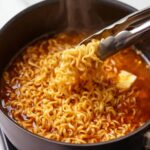
Spicy Miso Ramen Noodle Soup Recipe
- Prep Time: 15 minutes
- Cook Time: 25 minutes
- Total Time: 40 minutes
- Yield: 4 servings 1x
- Category: Main Course
- Method: Stovetop
- Cuisine: Japanese
- Diet: Low Lactose
Description
Dive into a bowl of Spicy Ramen, where each slurp is packed with bold flavors and a satisfying heat. This recipe brings together the richness of miso, the warmth of chili, and the comfort of tender noodles, making it a perfect dish for spice lovers and noodle enthusiasts alike.
Ingredients
Broth
- 3 tbsp vegetable oil
- 1 tbsp finely-grated fresh ginger
- 1 tbsp minced garlic
- 6 cups low-sodium chicken or vegetable broth
- 6 tbsp white miso paste
- 2-4 tablespoon soy sauce
- 1-2 teaspoon chili flakes
- 1-2 teaspoon chili oil (plus more to serve, optional)
Noodles and Garnishes
- 3 pouches (3 oz/85 g each) ramen noodles
- 2 tbsp unsalted butter
- 3 green onions (finely sliced)
- 1 cup bamboo shoots (drained)
- 1 cup baby spinach (wilted)
- 2 soft-boiled eggs (halved)
- Cooked corn (quantity approx. ½ cup)
- 1 sheet nori (torn into quarters)
- Mushrooms (approx. ½ cup sliced)
- Fried garlic or shallots (for garnish)
Instructions
- Prepare the broth: Heat vegetable oil over medium heat in a large pot. Stir in the grated fresh ginger and minced garlic, cooking for about 1 minute until fragrant.
- Add broth and simmer: Pour in the chicken or vegetable broth, increase the heat, and bring to a simmer.
- Incorporate miso paste: Remove a cupful of broth and whisk in the white miso paste to dissolve it smoothly. Return this miso-broth mixture to the pot along with 2 tablespoons of soy sauce, 1 teaspoon of chili flakes, and 1 teaspoon of chili oil. Stir until well combined, adjusting soy sauce and chili to taste as needed.
- Cook noodles: Reduce heat to maintain a gentle simmer and add the ramen noodles to the pot. Cook noodles according to package instructions, usually about 3 minutes, until tender.
- Enrich the broth: Stir in the unsalted butter until melted to add flavor and thicken the soup slightly.
- Assemble and garnish: Divide the ramen noodles and broth evenly between bowls. Top with sliced green onions, bamboo shoots, baby spinach, soft-boiled eggs, cooked corn, mushrooms, torn nori, and fried garlic or shallots. Serve hot, with additional chili oil if desired.
Notes
- Use Better Than Bouillon Chicken Base (50% less sodium version) diluted with water for homemade broth if preferred.
- Adjust soy sauce amount to ensure broth is rich and properly seasoned; add gradually and taste as you go.
- Adjust chili flakes and chili oil based on your preferred spice level.
- Soft-boil eggs by cooking them for about 6-7 minutes in boiling water for perfect creamy yolks.
- Wilt baby spinach by adding it to the hot broth just before serving to preserve texture and color.
- Fried garlic or shallots add a wonderful crunch and extra flavor but can be omitted for a lighter dish.
Nutrition
- Serving Size: 1 serving
- Calories: 322 kcal
- Sugar: 4 g
- Sodium: 1628 mg
- Fat: 24 g
- Saturated Fat: 7 g
- Unsaturated Fat: 15 g
- Trans Fat: 0.3 g
- Carbohydrates: 15 g
- Fiber: 3 g
- Protein: 16 g
- Cholesterol: 108 mg


Leave a Reply