
There’s something truly magical about the aroma of cardamom and rosewater mingling with bright lemon zest in the kitchen. This Persian Lemon Rosewater Cake Recipe is a softly spiced, moist almond cake that’s just as delightful to eat as it is beautiful to serve.

Jump to:
Why You'll Love This Recipe
I’ve made this Persian Love Cake more times than I can count — and every single time it fills the kitchen with the most enchanting scent. It really feels like a little celebration with every bite.
- Fragrant Flavors: The combo of cardamom, lemon, and rosewater creates a cake bursting with delicate yet distinct notes.
- Moist Texture: Thanks to almond flour and kefir, this cake stays tender and moist without being heavy.
- Elegant Presentation: The lemon glaze topped with pistachios and dried rose petals adds a stunning finish that’s perfect for special occasions.
- Simple to Make: Despite its gourmet feel, the recipe is straightforward and rewarding for any home baker.
Ingredients & Why They Work
When gathering ingredients for this Persian Lemon Rosewater Cake Recipe, fresh and high-quality items will make all the difference. Pay special attention to the almond flour and lemon zest — they’re the heart of the cake’s flavor and texture.

- Fine Granulated Sugar: Perfect for mixing with lemon zest to release those citrus oils and add subtle brightness.
- Lemons (for zest): Fresh lemons are key to capturing vibrant, fragrant zest; zest directly into the sugar for maximum flavor.
- Unsalted Butter: Softened butter adds richness and helps create a tender crumb.
- Ground Cardamom: This warm, floral spice is essential for that authentic Persian flair.
- Rosewater: A delicate splash imparts the cake’s signature fragrant note.
- Pure Vanilla Extract: Enhances and balances the other flavors beautifully.
- Flavorless Oil: Keeps the cake moist without overpowering the delicate spices.
- Fine Sea Salt: Just the right amount lifts the sweetness and deepens flavor complexity.
- Large Eggs: Provide structure and help the cake rise perfectly.
- Almond Flour: Use almond flour instead of ground almonds for the best texture and moist crumb.
- Cake Flour: Contributes to a soft and tender crumb, sifted for lightness.
- Baking Powder: Ensures the cake gets a gentle, even rise.
- Kefir or Buttermilk: Adds moisture and a subtle tang to balance sweetness and spices.
- Powdered Sugar (for glaze): Creates a smooth, sweet lemon glaze that complements the cake.
- Freshly Squeezed Lemon Juice: Adds tang and brightens the glaze flavor.
- Pistachios (chopped): Provide a crunchy texture and nutty contrast as a topping.
- Dried Rose Petals: For a gorgeous, elegant garnish that’s visually stunning and aromatic.
Make It Your Way
The beauty of this Persian Lemon Rosewater Cake Recipe is in its delicate balance of flavors, but feel free to add your personal twist to make it truly yours. Whether adjusting the floral notes or switching up the toppings, there are lots of ways to make this cake shine in your kitchen.
- Cardamom Kick: If you love warm spices, try adding a little extra ground cardamom—say 2½ teaspoons—to deepen the cake’s aromatic profile. I often do this in cooler months for an extra cozy dessert.
- Vegan Swap: For a dairy-free version, replace the butter with vegan margarine and use a plant-based yogurt instead of kefir. The texture remains just as moist and tender!
- Seasonal Citrus: Swap the lemon zest and juice for orange or blood orange to give your cake a seasonal flair. It’s delightful during winter holidays when citrus is at its peak.
- Nut-Free Version: If almonds aren't your thing or you’re baking for someone with allergies, substitute the almond flour with extra cake flour plus 3 tablespoons of ground sunflower seeds for a similar texture and nuttiness.
- Tea Time Twist: Sprinkle some finely chopped dried lavender into the batter along with the rosewater to create a floral version perfect for your afternoon tea gatherings.
Step-by-Step: How I Make Persian Lemon Rosewater Cake Recipe

Step 1: Preheat and Prep Your Pans
Start by preheating your oven to 325 degrees Fahrenheit. This lower temperature helps the cake bake evenly and keeps it lovely and moist. Butter and flour two 8-inch round cake pans, or simply use baking spray—whichever you prefer. This preparation ensures your cakes come out cleanly without sticking and lets you focus on the fun part: mixing your batter!
Step 2: Get Zesty with Sugar
Grab your 1 ½ cups of fine granulated sugar and place it in the bowl of your stand mixer. Next, zest two lemons directly over the sugar—this is key to catching all the fragrant lemon oils. Then, using your fingers, rub the zest into the sugar until it has a wet sand texture. This simple step releases all those bright citrus notes that make this cake so unforgettable.
Step 3: Blend the Wet Ingredients
Add your softened butter, flavorless oil, ground cardamom, rosewater, vanilla extract, and fine sea salt into the sugar mixture. Fit your stand mixer with the paddle attachment and beat starting on low speed, then gradually bring it up to medium. You'll want to mix until the batter becomes light and airy, about 3–5 minutes. Don’t forget to scrape down the sides of the bowl now and then to combine everything evenly.
Step 4: Incorporate Eggs Carefully
With your mixer running on low speed, add the eggs one at a time. After each egg, wait about 20–30 seconds before adding the next. This gradual addition helps keep the batter smooth and prevents it from curdling. Once all eggs are in, scrape down the bowl again and beat until the mixture is silky and homogeneous.
Step 5: Add Dry Ingredients and Kefir
Now it’s time for the flours and leavening. Add the almond flour, sifted cake flour, and baking powder to the bowl. Turn the mixer on low and slowly pour in the kefir (or buttermilk). Mix just until everything comes together—overmixing can make the cake dense, so stop as soon as there are no streaks of flour visible.
Step 6: Bake to Perfection
Divide the batter evenly between your two prepared pans and smooth the tops with a spatula. Bake for about 25 minutes, or until a toothpick inserted into the center comes out clean. The cake should be lightly golden with a subtle dome. The lower baking temperature helps it remain moist without browning too fast.
Step 7: Cooling and Levelling
Once baked, let the cakes cool in their pans for about 5 minutes to set. Then, transfer them to a wire rack to cool completely. When cool, use a cake slicer or bread knife to level any domed tops—don’t waste those ‘hats’ though! They make a wonderful snack with a cup of tea.
Step 8: Whip Up the Lemon Glaze
In a bowl, whisk together powdered sugar, freshly squeezed lemon juice (starting with 3 tablespoons), and rosewater until smooth. Adjust by adding more lemon juice if you want a thinner glaze. This tangy glaze perfectly contrasts the cake’s sweet almond flavor.
Step 9: Assemble and Decorate
Place one cake layer on your serving plate and spread a generous amount of lemon glaze evenly on top. Add the second cake layer and cover the whole cake with the remaining glaze. Sprinkle chopped pistachios and dried rose petals on top for that signature Persian elegance that will wow your guests.
Top Tip
These tips come from my own kitchen adventures making the Persian Lemon Rosewater Cake Recipe, where each step matters for that perfect balance of flavor and texture.
- Zesting Sugar Together: I always zest the lemons directly over the granulated sugar and rub it in thoroughly—this releases the essential oils and gives the cake its bright, lemony aroma throughout.
- Gentle Mixing: When adding the flours and kefir, mix just until combined. I learned the hard way that overmixing makes the cake dense rather than tender and moist.
- Room Temperature Ingredients: Softened butter and room temp eggs help create that beautifully airy batter that’s essential for this almond-based cake’s light crumb.
- Careful Cooling: I don’t rush the cooling process; letting the cakes cool fully before glazing prevents the lemon glaze from melting too quickly or sliding off.
How to Serve Persian Lemon Rosewater Cake Recipe

Garnishes
The crowning touches really elevate this cake! I love generously sprinkling chopped pistachios for a satisfying crunch and vibrant color contrast. Beautiful dried rose petals add that elegant, romantic vibe, perfect for special gatherings or just a lovely afternoon treat.
Side Dishes
This Persian Lemon Rosewater Cake pairs wonderfully with a simple cup of Persian black tea or a lightly brewed green tea. For something extra, serve with whipped cream or vanilla ice cream to complement the citrusy-sweet glaze and fragrant cardamom notes.
Make Ahead and Storage
Storing Leftovers
Store your Persian Lemon Rosewater Cake in an airtight container at room temperature for up to 3 days. This keeps the cake moist and the glaze fresh. Avoid refrigerating, as it can dry out the delicate crumb.
Freezing
You can freeze the baked cake layers wrapped tightly in plastic wrap, then in foil, for up to 2 months. Thaw them overnight in the fridge before glazing and assembling to maintain texture and flavor.
Reheating
If you like a slightly warm slice, gently reheat individual pieces in the microwave for about 10-15 seconds. This softens the cake and refreshes the flavors without melting the glaze.
Frequently Asked Questions:
Regular milk won’t provide the same tender crumb and tang that kefir or buttermilk does. If you don’t have kefir but want the best texture and flavor, buttermilk is the ideal substitute.
Use a microplane zester and zest the lemons directly over the sugar, rubbing it in with your fingers until the texture resembles wet sand. This ensures you capture all those bright lemon oils right in your sugar mixture.
Almond flour is finer and gives the cake a lighter, more delicate crumb and richer almond flavor compared to coarser almond meal, which can make the cake heavier and less tender.
Absolutely! Just reduce the baking time to about 18-20 minutes and keep an eye on them. The batter is perfect for cupcakes and makes lovely, fragrant individual treats.
Final Thoughts
Baking this Persian Lemon Rosewater Cake Recipe is like inviting a little bit of Persian sunshine into your kitchen. The marriage of cardamom, rosewater, and lemon zest creates such a unique and enchanting flavor that you won’t get tired of. Whether you’re making it for a celebration or simply to brighten up an ordinary day, this cake is sure to become a new favorite. Enjoy every fragrant, tender bite!
Print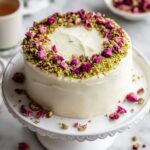
Persian Lemon Rosewater Cake Recipe
- Prep Time: 20 minutes
- Cook Time: 30 minutes
- Total Time: 50 minutes
- Yield: 8 servings 1x
- Category: Dessert
- Method: Baking
- Cuisine: Persian
- Diet: Vegetarian
Description
Persian Love Cake is a fragrant and moist almond-based cake infused with cardamom, lemon zest, rosewater, and vanilla. This delicately spiced cake is topped with a tangy lemon glaze, crunchy pistachios, and beautiful dried rose petals for an elegant dessert perfect for any special occasion.
Ingredients
Cake Batter
- 300 g or 1 ½ cup fine granulated sugar
- Zest of 2 lemons
- 170 g or ¾ cup unsalted butter, softened
- 2 teaspoons ground cardamom
- 1 teaspoon rosewater
- 1 teaspoon pure vanilla extract
- 50 g or ¼ cup flavorless oil
- 1 teaspoon fine sea salt
- 3 large eggs
- 145 g or 1 ¼ cup almond flour
- 195 g or 1 ½ cups cake flour, sifted
- 2 teaspoons baking powder
- 120 g or ½ cup kefir or buttermilk
Lemon Glaze
- 260 g or 2 cups powdered sugar
- 3-5 tablespoons freshly squeezed lemon juice
- 1 teaspoon rosewater
Toppings
- Pistachios, chopped
- Dried rose petals
Instructions
- Preheat and Prepare Pans: Preheat the oven to 325 degrees Fahrenheit. Butter and flour two 8 inch round cake pans, or alternatively use baking spray, to prepare them for the batter.
- Zest Sugar Mixture: Place the granulated sugar into the bowl of a stand mixer. Zest the lemons over the sugar and rub the zest into the sugar with your fingers until the mixture has a wet sand texture, releasing the lemon oils.
- Mix Wet Ingredients: Add softened butter, flavorless oil, ground cardamom, rosewater, vanilla extract, and sea salt to the sugar mixture. Using the paddle attachment, beat starting on low speed, increasing to medium, until the mixture is light and airy. Scrape down the bowl as needed.
- Add Eggs: With the mixer on low, add the eggs one at a time, waiting 20-30 seconds between each addition. Scrape the bowl and beat again until the batter is smooth and evenly combined.
- Incorporate Flours and Kefir: Add the almond flour, sifted cake flour, and baking powder to the bowl. With the mixer running on low, slowly pour in the kefir or buttermilk. Mix just until combined to avoid overmixing.
- Divide Batter and Bake: Evenly divide the batter between the two prepared cake pans and smooth the tops. Bake in the preheated oven for about 25 minutes, or until a cake tester inserted into the center comes out clean.
- Cool the Cakes: Let the cakes cool in their pans for about 5 minutes. Then transfer them to a wire cooling rack to cool completely. Once cool, level any domed tops with a cake slicer or bread knife; the removed cake tops can be enjoyed as a snack.
- Prepare Lemon Glaze: In a bowl, whisk together powdered sugar, lemon juice (start with 3 tablespoons and add more to reach desired consistency), and rosewater until smooth.
- Assemble Cake: Place one cake layer on a serving plate. Spread some lemon glaze evenly over the top. Place the second cake layer on top and spread glaze over the entire cake. Garnish with chopped pistachios and dried rose petals for a beautiful presentation.
Notes
- Use almond flour rather than almond meal for the best texture and flavor.
- If you don’t have kefir, buttermilk is a perfect substitute for moisture and tang.
- Be careful not to overmix once the flours and kefir are added, to keep the cake tender and light.
- The lemon glaze thickness can be adjusted by adding more or less lemon juice.
- Storing the cake in an airtight container will keep it fresh for up to 3 days.
- Make sure to zest the lemons directly over the sugar to capture all lemon oils for maximum flavor.
- This cake pairs wonderfully with a cup of tea or coffee.
Nutrition
- Serving Size: 1 slice (⅛ cake)
- Calories: 380 kcal
- Sugar: 30 g
- Sodium: 180 mg
- Fat: 25 g
- Saturated Fat: 10 g
- Unsaturated Fat: 13 g
- Trans Fat: 0 g
- Carbohydrates: 35 g
- Fiber: 2 g
- Protein: 6 g
- Cholesterol: 85 mg




Leave a Reply