
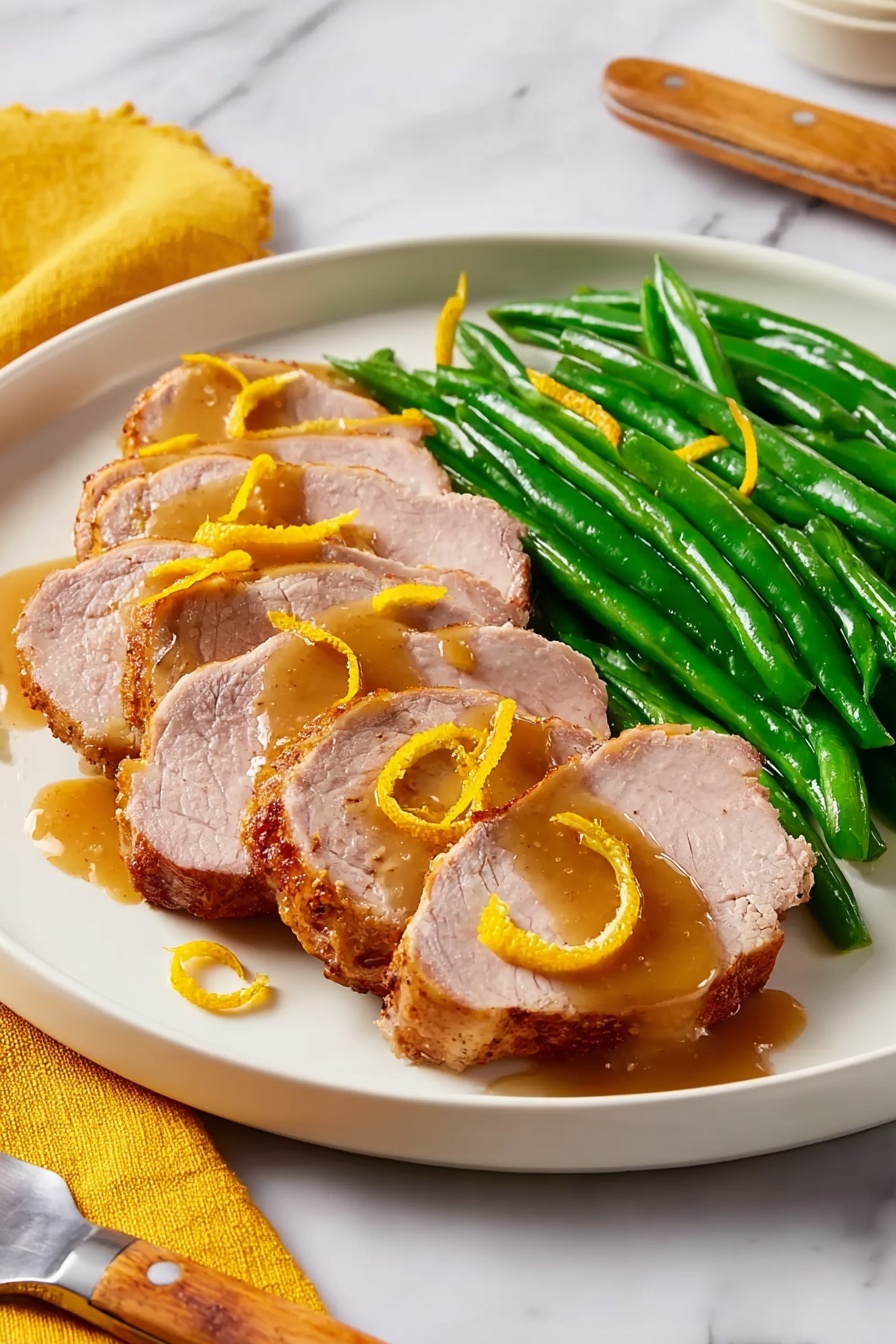
There’s something truly magical about the harmony of rich duck and vibrant citrus—this Duck à l'Orange Recipe with Orange Sauce Recipe captures that love affair perfectly. The crispy skin, tender meat, and zesty sauce come together in a way that feels fancy but is actually approachable in your own kitchen.
Jump to:
Why You'll Love This Recipe
I remember the first time I made duck, I was intimidated by the fancy-sounding orange sauce. Turns out, this Duck à l'Orange Recipe with Orange Sauce Recipe is a joy to make and shows off a beautiful balance between savory and sweet without being overcomplicated.
- Simple but impressive: You don’t have to be a chef to nail that perfect crispy skin and luscious sauce.
- Flavor harmony: The orange sauce is a perfect counterpoint to the rich, hearty duck meat.
- Quick to prepare: Using duck breasts instead of a whole duck cuts down cooking time drastically without skimping on flavor.
- Perfect for special occasions: This recipe makes you look like you’ve put in a ton of effort — yet you’re done in under an hour!
Ingredients & Why They Work
The ingredients here play beautifully off one another. The duck brings rich, fatty flavor, while the orange elements add brightness and a subtle sweetness. Each component is straightforward, and I always find it fun hunting for a good Seville orange marmalade—it’s the secret hero of the sauce!
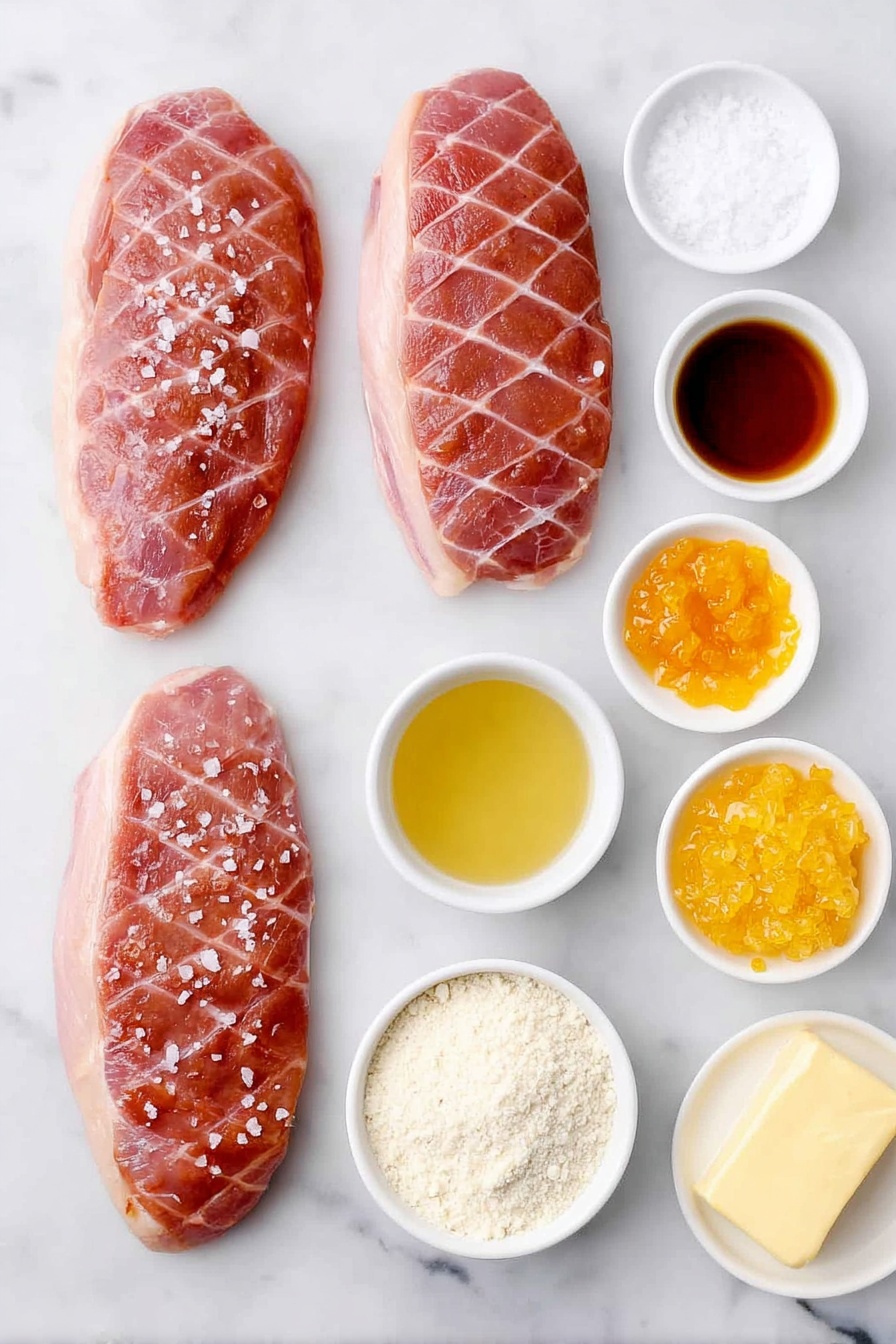
- Duck breast halves: Look for fresh, plump breasts with good skin for crispiness—quality makes all the difference.
- Salt: Essential for seasoning and helping draw out moisture from the skin to get it crispy.
- Chicken broth: Adds depth to the sauce without overpowering the orange flavor.
- Orange liqueur (Grand Marnier® is my favorite): Brings a boozy hint that enhances citrus notes beautifully.
- Sherry vinegar: A touch of acidity that balances the sweetness without being harsh.
- Seville orange marmalade: The classic bitter-sweet base for the sauce—you can add more if you like it extra tangy.
- Grated orange zest: Fresh zest adds essential oils that lift the entire dish.
- Cayenne pepper: Just a pinch to add a gentle warmth behind the sweetness.
- Reserved duck fat: Renders from the skin and gives an unbeatable flavor base for cooking.
- All-purpose flour: Helps thicken the sauce for that perfect, glossy finish.
- Butter: Added last to enrich and smooth out the sauce, giving it a silky texture.
Make It Your Way
I love tweaking this Duck à l'Orange Recipe with Orange Sauce Recipe depending on the season or my mood. Sometimes I swap out the orange liqueur for a splash of triple sec or even a bit of fresh juice when I want it lighter. You can also amp up the heat with more cayenne or swap marmalade for fresh oranges if you want a fruitier twist.
- Variation: One fall, I added a dash of cinnamon and star anise to the sauce, which gave it a lovely holiday vibe—make sure to simmer them in gently to infuse flavor subtly.
- Dietary tweak: If you want to skip alcohol, just replace the liqueur with extra chicken broth and a little orange juice for a kid-friendly version.
- Seasonal swap: When oranges aren’t in season, try using tangerine marmalade or grapefruit zest for a different citrus profile.
Step-by-Step: How I Make Duck à l'Orange Recipe with Orange Sauce Recipe
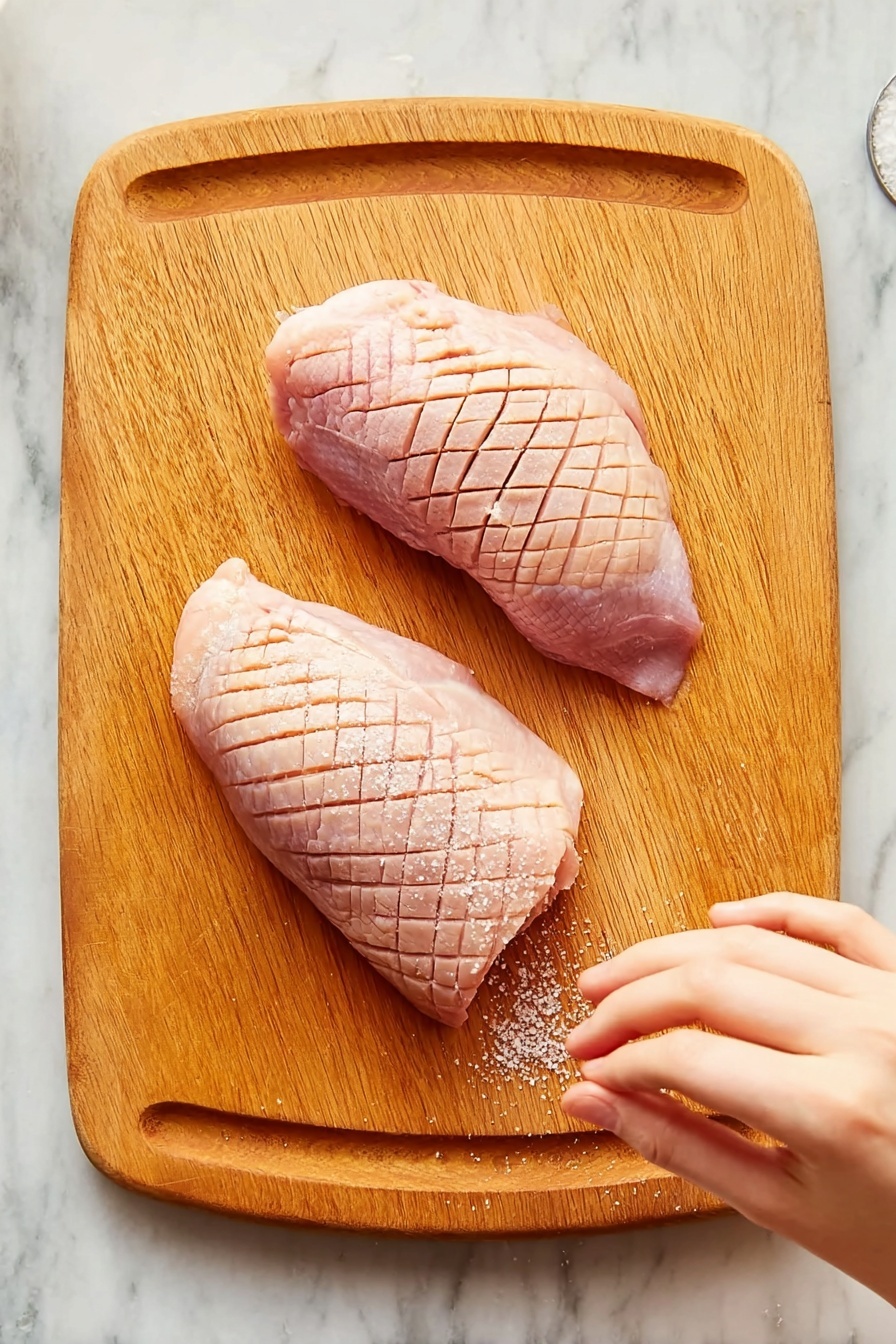
Step 1: Prep Your Duck Like a Pro
Start by scoring the skin of the duck breasts with a sharp knife in a crosshatch pattern, but be careful not to cut into the meat. This helps render out the fat and get that golden, crispy skin we all crave. Generously salt the duck, rub it in to season, and let it rest skin-side up at room temperature for about 15 minutes—this allows the meat to relax and the skin to dry out a bit for better crisping.
Step 2: Mix Your Bright Orange Sauce
While the duck rests, whisk together chicken broth, orange liqueur, sherry vinegar, Seville orange marmalade, grated orange zest, and just a pinch of cayenne pepper in a small bowl. This fresh mixture will become that irresistible sauce that’s tart, sweet, and so satisfying with the duck.
Step 3: Sear the Duck to Crispy Perfection
Pat the duck dry—it’s essential for crispiness—and re-season the skin side lightly with salt. Heat the reserved duck fat in a heavy skillet over medium heat for a couple of minutes. Lay the duck breasts skin-side down and resist the urge to move them around; let the fat render and the skin crisp slowly, about 6 minutes. When the edges start to look crisp and golden, flip and cook for another 4 minutes until the duck is medium-rare (about 140°F on an instant-read thermometer).
Step 4: Create That Luxurious Orange Sauce
Remove the duck breasts to rest. Pour off any excess fat (save it for roasting potatoes later—trust me, it’s incredible). Return your skillet to medium heat, whisk in the flour and cook for about a minute to get rid of the raw taste. Next, pour in your orange sauce mixture, bring it to a boil, and let it reduce and thicken until glossy and rich, about 3 to 5 minutes. Lower the heat, whisk in butter to smooth it out, and season with salt to taste.
Step 5: Serve & Savor
Slice your duck breasts against the grain to maximize tenderness. Arrange on a warm plate, spoon over plenty of that luscious orange sauce, and garnish with a few thin strips of fresh orange zest for extra color and aroma. This dish makes the table feel special instantly—don't be surprised if it gets rave reviews!
Top Tip
After cooking duck several times, I’ve learned these little tricks make a world of difference to your Duck à l'Orange Recipe with Orange Sauce Recipe. They helped me go from “meh” attempts to confident, delightful results every time.
- Scoring the skin carefully: It’s key to getting that crispy texture without losing juice inside the meat.
- Patting duck dry before searing: Moisture on the skin steams the duck rather than crisps it.
- Reserving rendered duck fat: Don’t dump it—use it for extra flavor in sauces or roasted vegetables.
- Resting the duck: Letting it rest after cooking keeps the meat juicy and perfectly tender.
How to Serve Duck à l'Orange Recipe with Orange Sauce Recipe
Garnishes
I always keep it simple with garnishes—thin orange zest strips add eye-catching color and aromatic punch. Sometimes a sprinkle of fresh thyme or even a few pomegranate seeds if I’m feeling festive adds great contrast. It’s those little touches that make each bite feel special.
Side Dishes
For sides, I like something creamy to balance the citrus tang—think buttery mashed potatoes or a silky parsnip purée. Roasted green beans or sautéed spinach add a fresh, earthy note. And if you’re up for it, some wild rice cooked with a hint of orange zest pairs beautifully.
Creative Ways to Present
For a dinner party, I plate the sliced duck breast fanned out over the sauce, with a small mound of herb-infused mashed potatoes and a bundle of seasonal greens tied with a chive strand. A sprig of fresh rosemary or edible flowers can really elevate the presentation and wow guests.
Make Ahead and Storage
Storing Leftovers
I store leftover duck breasts and sauce separately in airtight containers in the fridge. That way, the duck doesn’t get soggy from sitting in sauce overnight. They keep well for up to 2 days and still taste delightful when reheated carefully.
Freezing
Freezing cooked duck can be tricky since it’s prone to losing texture. I only freeze the sauce, which holds up nicely for a couple of months. When I want to enjoy the sauce again, I thaw it slowly in the fridge before gently reheating.
Reheating
To reheat leftovers, I warm the sliced duck gently in a pan over low heat, adding a splash of water or broth to keep it moist. Reheat the sauce separately on low until warmed through, then pour over just before serving. Avoid microwave for best texture!
Frequently Asked Questions:
Yes, but cooking a whole duck takes significantly longer and requires different preparation. Duck breasts are great for a quicker, home-friendly version while still delivering delicious results.
If you can’t find Seville orange marmalade, you can substitute with regular orange marmalade or even some fresh orange juice with a little added zest. It won’t be as bitter, but still delicious.
The ideal internal temperature is about 140°F (60°C) for medium-rare, where the meat is juicy and tender with a rosy pink center. Using an instant-read thermometer takes the guesswork out and helps avoid overcooking.
Definitely! You can prepare the orange sauce ahead and refrigerate it. Just reheat gently when ready to serve. You can also score and salt the duck breasts a little earlier—just keep them refrigerated until cooking to maintain freshness.
Final Thoughts
After making this Duck à l'Orange Recipe with Orange Sauce Recipe a handful of times, I’m still as excited to eat it as the very first time. It’s a perfect blend of elegance and comfort that you can absolutely master at home. So grab those duck breasts, get your orange sauce ready, and enjoy the experience—cooking this is as rewarding as the delicious bites you'll savor!
Print
Duck à l'Orange Recipe with Orange Sauce Recipe
- Prep Time: 15 minutes
- Cook Time: 20 minutes
- Total Time: 35 minutes
- Yield: 2 servings 1x
- Category: Main Course
- Method: Frying
- Cuisine: French
Description
Duck à l'Orange is a classic French dish featuring succulent duck breast halves served with a tangy and sweet orange sauce. This recipe offers a quick and elegant way to enjoy this traditional favorite by using duck breasts instead of a whole duck, resulting in a tender, crispy-skinned dish with a luscious citrus glaze.
Ingredients
Duck
- 2 duck breast halves
- salt to taste
- 1 tablespoon reserved duck fat
- 1 teaspoon all-purpose flour
- 1 tablespoon butter
Orange Sauce
- 1 cup chicken broth
- 2 tablespoons orange liqueur (such as Grand Marnier®)
- 1 tablespoon sherry vinegar
- 1 tablespoon Seville orange marmalade, or more to taste
- 2 teaspoons grated orange zest
- 1 pinch cayenne pepper
Instructions
- Prepare the duck: Score the duck skin almost all the way through fat in a diagonal crosshatch pattern. Generously season both sides with salt and let rest skin-side up at room temperature for 15 minutes.
- Mix the sauce: In a small bowl, whisk together chicken broth, orange liqueur, sherry vinegar, orange marmalade, orange zest, and cayenne pepper until well combined.
- Dry and season duck: Pat duck breasts dry with paper towels to ensure crisp skin. Re-season the skin side with salt right before cooking.
- Cook duck skin-side down: Heat reserved duck fat in a heavy skillet over medium heat for 2 minutes. Place duck breasts skin-side down and cook for about 6 minutes until fat renders and skin is crisp.
- Cook duck on the other side: Flip the breasts and cook for about 4 minutes more until the meat is medium-rare (internal temperature 140°F/60°C). Remove from skillet and let rest on a plate. Pour rendered duck fat into a glass jar for later use or discard.
- Make the sauce: Return the skillet to medium heat, whisk flour into the pan, and cook for 1 minute until fully incorporated. Pour the orange mixture into the skillet and bring to a boil. Let the sauce thicken and reduce for 3 to 5 minutes.
- Finish the sauce: Reduce heat to low. When bubbling stops, add butter and stir until melted and fully incorporated. Season sauce with salt to taste.
- Serve: Slice the duck breasts across the grain, arrange on a plate, and spoon the orange sauce over the top. Garnish with thin strips of orange zest. Serve immediately and enjoy.
Notes
- This recipe uses duck breasts instead of a whole duck for quicker cooking and easier preparation.
- Scoring the duck skin helps render the fat and results in a crispy, flavorful skin.
- Use Seville orange marmalade for authentic bitter orange flavor; regular orange marmalade can be substituted if needed.
- Letting the duck rest after cooking ensures juicy and tender meat.
- Singing the orange zest as garnish adds vibrant aroma and visual appeal.
Nutrition
- Serving Size: 1 serving
- Calories: 354 kcal
- Sugar: 12 g
- Sodium: 593 mg
- Fat: 21 g
- Saturated Fat: 8 g
- Unsaturated Fat: 0 g
- Trans Fat: 0 g
- Carbohydrates: 15 g
- Fiber: 0 g
- Protein: 20 g
- Cholesterol: 130 mg


Leave a Reply