
If you’re craving something rich, flavorful, and totally satisfying, I’ve got just the thing for you. This Creamy Shrimp Coconut Curry Bowls Recipe is a game-changer for busy weeknights or chill weekends when you want a comforting, exotic meal without the fuss.

Jump to:
Why You'll Love This Recipe
I’ve made this creamy shrimp coconut curry bowls recipe more times than I can count, and it never fails to impress. It feels fancy but is so straightforward, making it perfect whether you’re cooking for yourself or feeding a crowd.
- Quick yet indulgent: You get that velvety coconut curry flavor in just 30 minutes—no hours of simmering or complicated prep.
- Balanced flavors: The blend of spicy red curry paste, tangy lime, and a hint of sweetness keeps every bite interesting.
- Customizable ingredients: Swap noodles or veggies based on what you have, and it still tastes amazing.
- Easy meal prep: You can make the sauce ahead or freeze components to pull together later for a no-fuss dinner.
Ingredients & Why They Work
The magic here is in the harmony of the ingredients—the richness of coconut milk softened by aromatics and balanced with tangy, spicy layers. Grab quality curry paste and fresh ginger for the best flavor.

- Avocado or olive oil: Provides a neutral base for sautéing without overpowering the curry’s delicate flavor.
- Yellow onion: Adds gentle sweetness when softened, framing the dish beautifully.
- Fresh ginger: Essential for that bright, warming kick—fresh is non-negotiable in this recipe.
- Red curry paste: The star spice blend that gives the dish its vibrant depth.
- Unsweetened coconut milk: Creates the creamy sauce that ties everything together luxurious and smooth.
- Sugar (or coconut sugar): Balances the spice and acidity for perfect harmony.
- Sriracha sauce: Adds subtle heat—you can dial it up or down based on your preference.
- Fish sauce: A punch of umami that’s key to authentic Thai-inspired curry.
- Soy sauce (or coconut aminos): Contributes salty, savory notes to deepen the flavor.
- Lime juice: Brings brightness and acidity to cut through the richness of the coconut milk.
- Ramen, soba, or whole wheat pasta: Holds up well soaking in the sauce and adds comforting carbs.
- Raw shrimp: Quick cooking, tender, and perfectly suited for curry bowls.
- Frozen stir-fry vegetables: Convenient and colorful, they add texture and freshness.
- Purple cabbage: For crunch and a pop of color on top.
- Chopped peanuts: Adds a satisfying nuttiness and crunch.
- Lime wedges: For final brightening at the table.
Make It Your Way
I love tweaking this creamy shrimp coconut curry bowls recipe depending on what I have in my fridge. Don’t hesitate to swap in your favorite noodles or veggies, or even go gluten-free—the sauce still shines through every time.
- Vegetable swaps: I often use fresh chopped broccoli, snap peas, or bell peppers when I have them—they brighten the bowls with extra crunch and variety.
- Protein variations: You can switch shrimp for tofu or chicken if you want another protein option; just adjust the cooking time accordingly!
- Spice level: Need it milder? Cut back on the Sriracha or swap red curry paste with a milder yellow curry paste; for extra heat, add more Sriracha or fresh chopped chilies.
- Gluten-free: I recommend using gluten-free tamari and gluten-free noodles like Banza pasta or rice noodles to keep it friendly for gluten sensitivities.
Step-by-Step: How I Make Creamy Shrimp Coconut Curry Bowls Recipe

Step 1: Build the flavors in your coconut curry sauce
Heat avocado oil in a saucepan over medium-high heat, then sauté finely diced onion and minced fresh ginger for about 3 to 4 minutes until softened and fragrant. This part is key for developing layers of flavor. Then, stir in the red curry paste and sauté for another minute to bloom its spices. Next, pour in the coconut milk along with sugar, Sriracha, fish sauce, and soy sauce. Let everything simmer gently for 15 to 20 minutes so the flavors meld and the sauce thickens slightly. It won’t be too thick—more like a delicious soup consistency, which is perfect for spooning over your bowls. Just before you finish, stir in fresh lime juice to brighten it up.
Step 2: Cook the noodles for the base
While the sauce simmers, get your noodles going according to the package directions. I usually use ramen or soba, but whole wheat angel hair is a nice option too. Drain and toss them lightly with a bit of oil to keep them from sticking—that touch makes assembly so much easier.
Step 3: Sauté shrimp just right
In a large skillet over medium-high heat, warm a tablespoon of oil. Pat your shrimp dry, season lightly with salt and pepper, and stir-fry for 2 to 3 minutes until they turn a pretty pink color. Shrimp cook quickly, so keep an eye on them to avoid getting rubbery. Once done, set them aside—this way, they stay juicy and perfectly tender.
Step 4: Crisp-tender veggies bring everything together
Add another tablespoon of oil to the same pan and toss in your frozen or fresh vegetables. Stir-fry for 5 to 7 minutes until they’re tender but still have that fresh snap. If the veggies start to brown too fast before getting soft, add a splash of water and cover the pan to steam them gently. Taking care here keeps your veggies bright, vibrant, and full of crunch.
Step 5: Assemble your bowls and enjoy!
Now for the fun part—everyone can build their own bowl! Start with noodles, pile on veggies, then shrimp, and ladle over a generous helping of that luscious coconut curry sauce. Top it with shredded purple cabbage, chopped peanuts for crunch, and a lime wedge on the side to squeeze on for extra zing.
Top Tip
After making this creamy shrimp coconut curry bowls recipe multiple times, I’ve learned a few tricks that make all the difference. They’ve saved me time and stress, and I’m guessing you’ll find them super helpful too!
- Fresh Ginger is Non-Negotiable: I’ve tried dried ginger before, and it just doesn’t give the same sparkle. Fresh minced ginger is crucial for that bright, warm note in the sauce.
- Pat Shrimp Dry: Before cooking, drying your shrimp helps them sear rather than steam, resulting in better texture and flavor.
- Don’t Skip the Lime Juice: Adding it at the end balances the sweetness and creaminess with a fresh tanginess that really lifts the whole dish.
- Double the Sauce for Freezing: Cook extra sauce and freeze it along with shrimp and veggies in meal kits. It’s a lifesaver on busy nights!
How to Serve Creamy Shrimp Coconut Curry Bowls Recipe

Garnishes
I always finish these bowls with shredded purple cabbage for a crisp crunch and some chopped peanuts to add a buttery, nutty texture. A lime wedge on the side is a must for squeezing fresh juice over the top—it really brightens all the rich flavors and makes every bite pop.
Side Dishes
This bowl is pretty complete on its own, but if you want to round out the meal, I like serving it with a simple cucumber salad or some steamed jasmine rice on the side for soaking up any extra sauce.
Creative Ways to Present
For a dinner party, I’ve served these bowls in wide ceramic dishes and sprinkled fresh herbs like cilantro and Thai basil on top, which gives them an elevated, restaurant-quality feel. You could also use small individual ramekins for garnishes like peanuts and lime to let guests customize as they like.
Make Ahead and Storage
Storing Leftovers
Once cooled, I store leftovers in airtight containers in the fridge for up to 3 days. The flavors actually deepen overnight, making it a perfect next-day lunch.
Freezing
I freeze the curry sauce separately in freezer-safe containers or bags. I also freeze raw shrimp and frozen veggies alongside the sauce as meal kits. When ready, I just thaw the sauce and shrimp before cooking, then add frozen veggies straight into the pan. It’s super convenient and keeps the shrimp perfectly tender.
Reheating
I reheat leftovers gently on the stove over low heat, stirring occasionally to prevent scorching. If the sauce thickened too much after cooling, adding a splash of water or extra coconut milk brings it back to that silky consistency.
Frequently Asked Questions:
Absolutely! Just swap the shrimp for firm tofu or your favorite vegetable protein and use a vegetarian-friendly fish sauce alternative or soy sauce only. Don’t skip the ginger and curry paste—they’re key for that rich flavor.
Ramen and soba noodles hold up beautifully and soak up the sauce well, but whole wheat angel hair pasta also makes a great option. For gluten-free diets, rice noodles or gluten-free spaghetti work just as well.
This recipe has a mild to moderate heat level because of the red curry paste and Sriracha. You can tweak the spice easily by using less Sriracha for a milder dish, or add more if you like it fiery.
Yes! The curry sauce actually tastes better the next day as the flavors develop. You can make it up to 3 days ahead or freeze it for longer storage along with shrimp and veggies as a meal kit.
Final Thoughts
This creamy shrimp coconut curry bowls recipe has quickly become a favorite go-to in my kitchen. It’s the kind of meal that feels like a treat but comes together without a lot of hassle. I love how flexible it is—you can tailor it exactly to your tastes and what you have on hand. Trust me, once you try it, it’ll be on repeat at your house too. So grab those ingredients, and let’s get cooking!
Print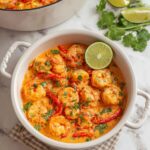
Delicious Recipe
- Prep Time: 15 minutes
- Cook Time: 30 minutes
- Total Time: 45 minutes
- Yield: 4 servings 1x
- Category: Main Course
- Method: Stovetop
- Cuisine: Thai
Description
Delicious and vibrant Shrimp Curry Bowls featuring a rich coconut curry sauce, tender shrimp, stir-fried vegetables, and noodles. Perfect for a satisfying weeknight dinner with a balance of creamy, tangy, and spicy flavors.
Ingredients
Coconut Curry Sauce
- 1 tablespoon avocado oil or olive oil
- ½ medium yellow onion, finely diced
- 1 tablespoon fresh ginger, minced
- 2 tablespoons red curry paste (recommend: Thai Kitchen brand)
- 1 (14-ounce) can unsweetened coconut milk (recommend: Goya or Thai Kitchen brands)
- 1 ½ tablespoons sugar (sub: coconut sugar)
- 1 teaspoon Sriracha sauce, plus more to taste
- 1 ½ teaspoons fish sauce
- 2 tablespoons soy sauce (sub: coconut aminos or gluten-free soy sauce)
- 1 tablespoon fresh lime juice (about half of a fresh lime)
Shrimp Bowls
- 8 ounces (½ pound) ramen noodles, soba noodles, or whole wheat angel hair pasta
- 2 tablespoons olive or avocado oil, divided
- 1 pound peeled, deveined, raw shrimp (31/40 count; thawed)
- Salt and pepper, to taste
- 16-ounce bag frozen stir-fry vegetables (or 3 cups fresh chopped vegetables like carrots, broccoli, sugar snap peas)
- 1 cup shredded purple cabbage, for serving
- Chopped peanuts, for serving
- Lime wedges, for serving
Instructions
- Make the Sauce: Heat 1 tablespoon oil in a 2-quart saucepan over medium-high heat. Add the finely diced onion and minced ginger, stir frying for 3-4 minutes until soft. Stir in 2 tablespoons red curry paste and cook for 1 minute. Add the coconut milk, sugar, Sriracha, fish sauce, and soy sauce. Simmer for 15-20 minutes until it reduces and thickens slightly, then stir in fresh lime juice. Adjust seasoning with extra Sriracha or salt if needed.
- Cook the Noodles: Prepare the noodles according to package instructions. Drain and toss with a bit of oil to prevent sticking. Set aside.
- Cook the Shrimp: Heat 1 tablespoon oil in a large skillet over medium-high heat. Pat shrimp dry and stir fry until pink and cooked through, about 2-3 minutes, seasoning lightly with salt and pepper. Remove shrimp from pan and set aside.
- Cook the Vegetables: In the same skillet, add the remaining 1 tablespoon oil. Add frozen or fresh vegetables and stir fry for 5-7 minutes until crisp-tender. If fresh veggies brown too fast, add a bit of water and cover to steam. Remove from heat.
- Assemble the Bowls: Allow each person to layer their bowl starting with noodles, then vegetables, shrimp, and finally the coconut curry sauce. Top with shredded purple cabbage, chopped peanuts, and a lime wedge for garnish and extra flavor.
Notes
- Double the sauce and freeze it along with extra shrimp and vegetables to create a convenient meal kit for future dinners.
- For a gluten-free version, substitute soy sauce with coconut aminos or gluten-free Tamari soy sauce, and use gluten-free noodles such as Banza brand spaghetti or angel hair.
- Use fresh ginger rather than dried for best flavor; ginger paste can be a suitable substitute. Freeze any leftover fresh ginger wrapped for future use.
Nutrition
- Serving Size: 1 bowl
- Calories: 617 kcal
- Sugar: 10.8 g
- Sodium: 690 mg
- Fat: 26.3 g
- Saturated Fat: 15 g
- Unsaturated Fat: 10 g
- Trans Fat: 0 g
- Carbohydrates: 65.7 g
- Fiber: 10.1 g
- Protein: 35.7 g
- Cholesterol: 183 mg

Leave a Reply